About the Guam Coastal Management Program
The Guam Coastal Management Program (GCMP), established in 1979 under the authority of the Coastal Zone Management Act of 1972, serves as Guam’s lead agency for the protection, management, and sustainable development of coastal and marine resources. Administered by the Bureau of Statistics and Plans (BSP), GCMP coordinates territorial, federal, and community efforts to safeguard Guam’s unique coastal environment while supporting responsible economic growth and community resilience.
Because the entire island of Guam is coastline, the GCMP’s work spans every aspect of land and sea interaction — from watershed protection and shoreline stabilization to climate adaptation and community education.
Program Goal
To create the responsible and balanced use of Guam’s coastal resources through improving management and policy systems, optimizing planning, creating awareness, and improving the administration and enforcement of natural resource related laws and regulations.
Objectives:
- Effective administration of natural resource-related laws, programs, and policies;
- Effective enforcement of natural resource-related laws, programs, and policies;
- Increased public awareness of the values and responsibilities associated with coastal resource development and protection; and
- Implementation of a management program that encourages prudent development.
Our Framework and Funding
The GCMP operates under funding administered by the National Coastal Zone Management Program, administered by the National Oceanic and Atmospheric Administration’s (NOAA) Office for Coastal Management. Guam is one  of 34 coastal states and territories participating in this federal partnership.
The program is 100% federally funded, receiving approximately $1.1 million annually, which supports a team of eight professionals within the Bureau of Statistics and Plans. Each staff member brings specialized expertise in environmental policy, marine biology, watershed science, and spatial analysis, ensuring that coastal management decisions are informed by both data and local context.
Core Functions
GCMP is the central coordinating body for Guam’s coastal management efforts. Its primary responsibilities include:
• Application Review and Permitting Coordination
Conducting comprehensive environmental and land-use reviews through the Application Review Committee to ensure that development within the coastal zone aligns with local and federal environmental standards.
• Federal Consistency Review
Administering the Federal Consistency provision of the Coastal Zone Management Act, which ensures that federal actions affecting Guam’s coastal areas are consistent with the island’s 18 enforceable coastal policies.
• Interagency and Federal Coordination
Working closely with GovGuam agencies — such as the Guam Environmental Protection Agency, Department of Agriculture, and Department of Land Management — and federal partners, including the U.S. Army Corps of Engineers, National Weather Service, and U.S. Geological Survey.
• Hazard Mitigation and Climate Resilience
Supporting natural hazard assessments, shoreline erosion studies, and flood mitigation initiatives that reduce risk to communities and infrastructure.
• Public Outreach and Education
Promoting awareness and stewardship of Guam’s coastal environment through community engagement, school programs, and public events.
Key Projects and Ongoing Initiatives
GCMP leads and supports a wide range of planning, restoration, and infrastructure initiatives designed to build coastal resilience and protect Guam’s environmental integrity. Current and recent projects include:
• Tumon Bay Hydrological Study and Watershed Management Plan – Addressing water quality, flooding, and sedimentation issues in Guam’s most heavily visited coastal area.
• Nature-Based Beach Erosion Control Design – Developing sustainable shoreline protection strategies that leverage natural processes.
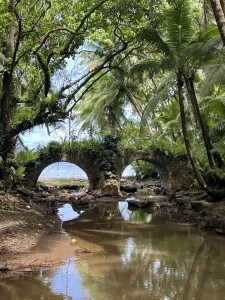
• Historic Trails Development Project – Enhancing coastal access while preserving Guam’s cultural heritage and scenic corridors.
• Hågat Marina Dredging and Nimitz Beach Renourishment Study – Exploring beneficial reuse of dredged materials to restore eroding shorelines.
• Merizo Flood Mitigation Project – Providing planning and coordination support to mitigate chronic flooding and improve community resilience.
Education, Outreach, and Stewardship
Public engagement and education are vital to effective coastal management. GCMP conducts ongoing outreach to raise awareness about coastal resource protection and promote responsible community stewardship.
Through its Coastal Education and Outreach Strategy, the program partners with schools, village mayors, and non-governmental organizations to deliver presentations, workshops, and field-based learning activities. Topics include watershed health, coral reef protection, sustainable development, and climate resilience.
GCMP also develops and distributes educational materials, such as the Man, Land & Sea Publication, coastal resource guides, and interpretive signage for public access sites, helping residents and visitors alike understand the importance of protecting Guam’s natural assets.
“Outreach is one of the most effective tools we have,” said BSP Director Lola Leon Guerrero. “When people understand how interconnected our environment and economy are, they become advocates for conservation in their own communities.”
Annual Guam International Coastal Cleanup
One of the GCMP’s flagship outreach events is the Guam International Coastal Cleanup, held annually in partnership with local agencies, schools, businesses, and community organizations. As part of the global Ocean Conservancy effort, this event mobilizes thousands of volunteers across the island to collect debris from beaches, mangroves, rivers, and roadways.
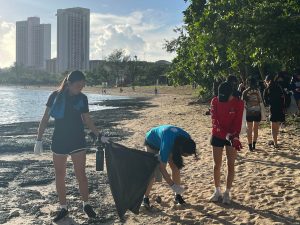 Each year, GCMP coordinates site selection, volunteer registration, data collection, and waste management logistics. Beyond cleanup activities, the event emphasizes environmental education — teaching participants about the sources and impacts of marine debris and the importance of waste reduction at the source.
The data collected during the cleanup contribute to both local policy discussions and international research efforts on marine litter, strengthening Guam’s participation in global coastal conservation.
The Assembly of Planners Symposium
GCMP also plays a leading role in organizing the Assembly of Planners Symposium, a key annual forum for planning professionals, government agencies, and stakeholders involved in land use and coastal development.
The symposium provides a platform for discussing emerging trends, policies, and research related to sustainable development, environmental planning, and infrastructure resilience.
Past symposium themes have included climate adaptation, green infrastructure, integrated watershed management, and smart growth for island communities. Through keynote presentations, technical sessions, and collaborative workshops, the event fosters dialogue and partnerships that shape Guam’s planning priorities for the years ahead.
Achievements and Accomplishments
GCMP’s record of success reflects its long-standing commitment to collaboration and innovation. Recent achievements include:
• Development of Cable Landing Site Suitability Criteria to balance technological expansion with marine ecosystem protection.
• Publication of the Guam Shoreline Atlas, a comprehensive resource documenting the island’s coastal conditions.
• Designation of over 12,000 acres of conservation land through the Guam Forest System Plan.
• Deployment of ocean data buoys providing real-time wave and temperature information for use in coastal planning and hazard response.
These accomplishments demonstrate GCMP’s continued leadership in advancing Guam’s environmental planning framework.
Looking Ahead
As Guam faces growing pressures from coastal development, erosion, and climate change, GCMP remains dedicated to integrating science, policy, and community action. The program’s long-term vision is to strengthen resilience, enhance sustainability, and ensure that development supports — rather than degrades — the island’s environmental and cultural assets.
Despite funding uncertainties at the national level, GCMP has developed contingency measures to maintain essential services. Community support remains strong, with local partners and residents continuing to express their commitment to preserving Guam’s coastal heritage.
“Our goal is to protect and preserve our natural resources for future generations,” GCMP Administrator Edwin Reyes said. “Through education, collaboration, and sound planning, we can ensure Guam’s coasts remain healthy, accessible, and resilient.”
Our Commitment
The Guam Coastal Management Program is committed to:
• Protecting Guam’s coastal and marine ecosystems.
• Supporting responsible and sustainable development.
• Promoting environmental education and community stewardship.
• Strengthening partnerships among government, academia, and the public.
• Preserving the island’s natural beauty and cultural integrity for future generations.
Through coordination, innovation, and collaboration, GCMP continues to uphold its mission: to safeguard Guam’s coastlines and ensure that economic progress and environmental protection go hand in hand.
Overview of The Guam Coastal Management Program
(GCMP) was established in 1979 through a cooperative agreement between the National Oceanic and Atmospheric Administration and the Bureau of Planning, Office of the Governor and draws its authorities from the Coastal Zone Management Act (CZMA) of 1972 and 5 GCA Ch.1, Article 2, Centralized Planning under the renamed Bureau of Statistics and Plans, Office of the Governor.
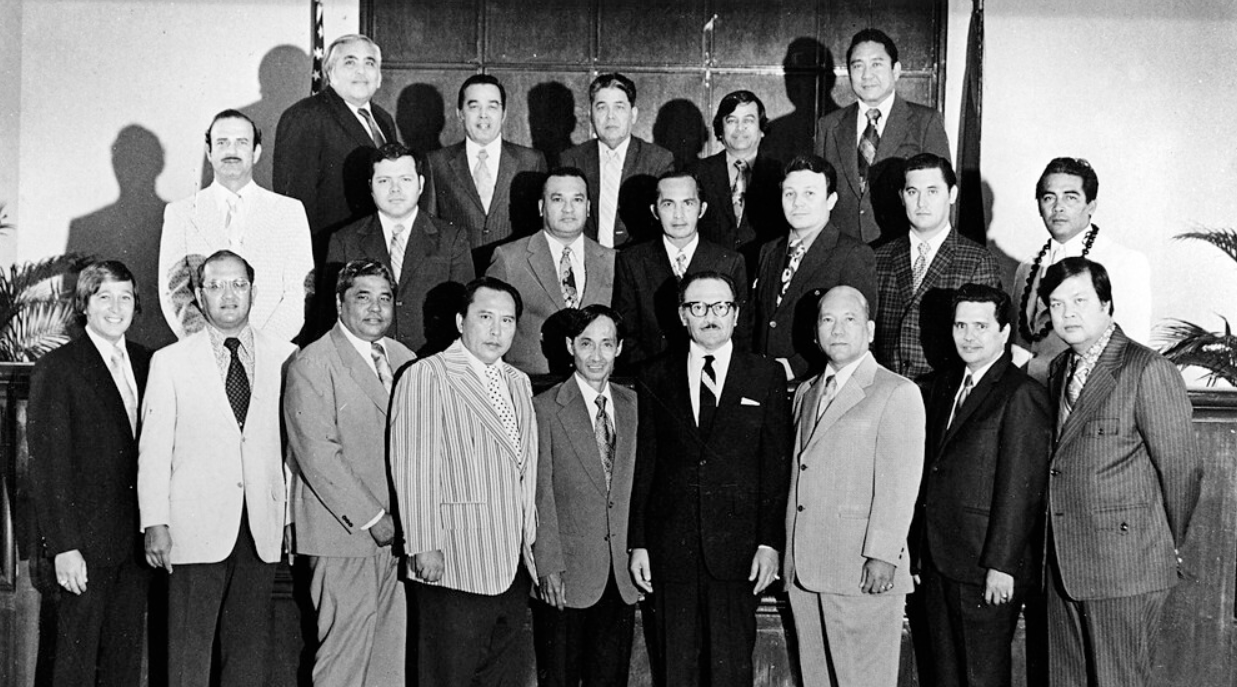 12th Guam Legislature |
GCMP is responsible for the land-use and natural resource planning duties of the Bureau. The Common interest and function of GCMP is to integrate its policy-making efforts with public and private interests engaged in physical, social, and economic development planning for the island through a process and mechanism in which duly adopted policies of Guam are linked and considered with all elements of decision-making among governmental and nongovernmental coastal uses. GCMP’s Goal is to create a responsible and balanced use of Guam’s coastal resources through improving management and policy systems, optimizing planning, creating awareness, and improving the administration and enforcement of natural resource-related laws and regulations.
Guam’s Programmatic Environmental Impact Statement (PEIS)
Guam’s Programmatic Environmental Impact Statement (PEIS) serves as the foundational framework that guides how the Guam Coastal Management Program carries out its responsibilities under the Coastal Zone Management Act. The PEIS brings together the scientific, regulatory, and policy considerations that shape coastal decision‑making on the island, ensuring that GCMP’s work is grounded in a comprehensive understanding of Guam’s environmental conditions and development pressures.
The PEIS outlines the major environmental issues affecting Guam’s coastal zone, from watershed degradation and shoreline erosion to habitat loss and climate‑driven hazards and evaluates how different management approaches can address these challenges. By identifying the cumulative impacts of land use, infrastructure, and natural processes, the PEIS provides a strategic lens through which GCMP can assess proposed actions and ensure they align with Guam’s enforceable coastal policies.
This framework strengthens GCMP’s ability to coordinate across agencies, review federal activities for consistency, and guide development toward outcomes that protect coastal resources while supporting responsible growth. It also reinforces transparency and accountability by documenting the environmental rationale behind GCMP’s policies and decisions.
In practice, the PEIS helps GCMP:
- Prioritize coastal issues that require coordinated management
- Integrate scientific data into policies that guidepermitting and planning
- Evaluate alternatives and mitigation measures for proposed actions
- Ensure that federal and territorial activities support long‑term coastal resilience
- Maintain alignment with the goals and requirements of the CZMA
By establishing this island‑wide environmental baseline and decision‑making structure, the PEIS ensures that GCMP operates with clarity, consistency, and a forward‑looking approach. It is the backbone of a coastal management system designed to protect Guam’s natural resources while supporting the needs of its communities today and into the future.
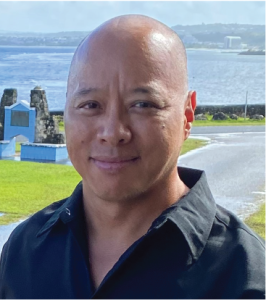 Message from the Administrator, Guam Coastal Management Program
Hafa Adai!
For more than four decades, the Guam Coastal Management Program has carried forward the vision of the Coastal Zone Management Act (CZMA): to balance the use, protection, and long‑term sustainability of our coastal resources. On an island where every community is a coastal community, this mission is not abstract; it is essential to our safety, our economy, and our way of life.
GCMP fulfills the tenets of the CZMA through a partnership‑driven approach that recognizes a simple truth: no single agency can address the complexity of coastal challenges alone. Our work depends on the strength of our network, territorial agencies, federal partners, village leaders, nonprofit organizations, academic institutions, and the thousands of residents who care deeply about Guam’s natural heritage. Together, we coordinate land‑use decisions, evaluate federal actions for consistency with Guam’s enforceable coastal policies, and advance science‑based planning that protects both our environment and our communities.
At the heart of this effort is the GCMP team. Our staff brings expertise in environmental policy, marine biology, watershed science, spatial analysis, and community engagement. Their work ensures that every review, every study, and every project is grounded in sound science, thoughtful planning, and a deep respect for Guam’s unique coastal systems. Whether coordinating the Application Review Committee, supporting hazard mitigation and climate resilience initiatives, or leading island‑wide outreach and education, our team is the engine that drives this program forward.
Through collaborative watershed planning, shoreline resilience projects, flood control and water quality studies, and the annual Guam International Coastal Cleanup, we continue to demonstrate what the CZMA envisioned: a coastal program that integrates science, policy, and community action to safeguard the places we depend on. Our partnerships amplify our impact, but it is the dedication of GCMP’s staff that ensures our mission is carried out with integrity, professionalism, and purpose.
As we face increasing pressures from development, erosion, and climate change, our commitment remains unwavering. By working together, across agencies, disciplines, and communities, we will continue to protect Guam’s coastal and marine resources for the generations who will inherit this island after us.
Edwin Reyes, Administrator
Guam Coastal Management Program
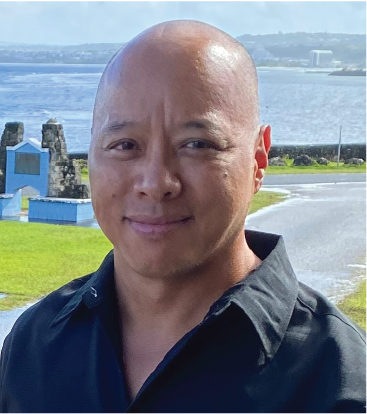 Edwin Reyes, Administrator
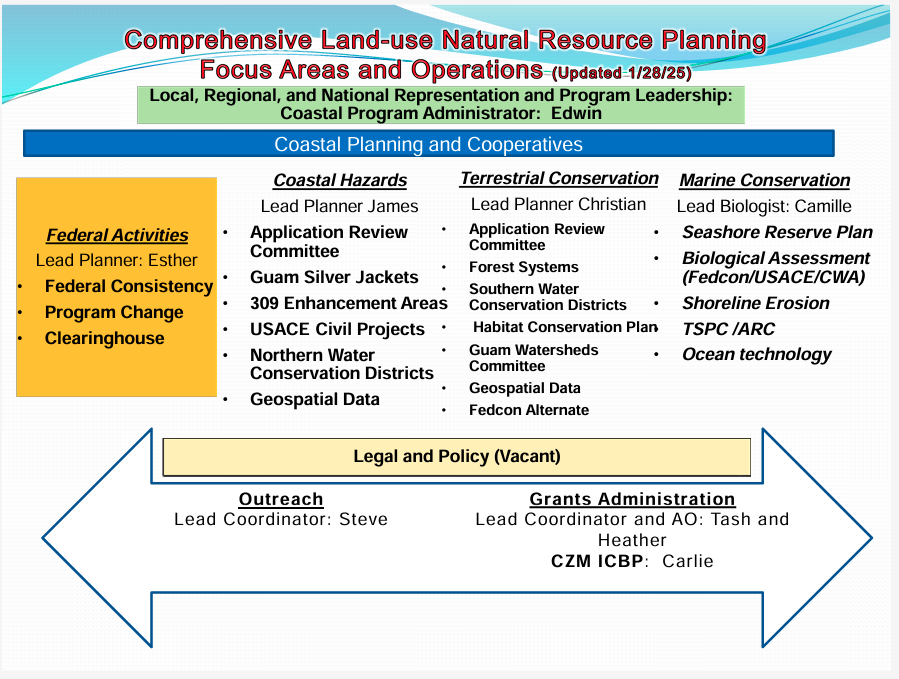
Edwin has been the Coastal Program Administrator for the Guam Coastal Management Program (GCMP) since 2014. He is responsible for providing overall leadership of the Guam Coastal Management Program (GCMP) in carrying out the management, control, coordination, assessment, planning, evaluation and implementation of the program and suite of projects contained in the authorized Cooperative Agreement through the integration of geospatial technology, scientific research, and best development and management practices. Edwin’s duties include directing GCMP in carrying out the central planning authority of the Bureau of Statistics and Plans’ mandate to address the complex nature of protecting, restoring, conserving and fostering balanced development and use of Guam’s coastal resources by collaborating with multidisciplinary agencies of the Government of Guam and federal partners.
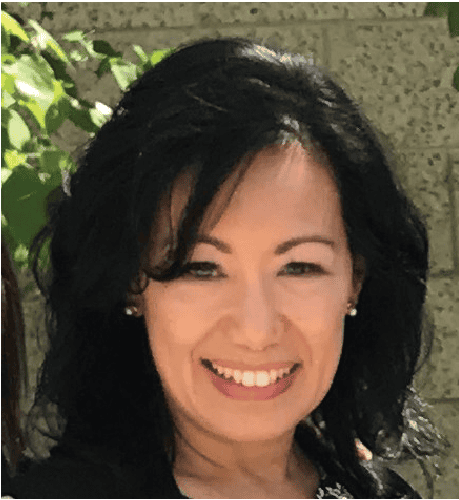 Esther Marie Taitague, Senior Planner, Federal Consistency
Esther is the Federal Consistency Coordinator for the Guam Coastal Management Program (GCMP) with the Bureau of Statistics and Plans. She serves on the Application Review Committee, where she advocates for best management practices and encourages developers and engineers to incorporate Low Impact Development (LID) into design plans. She also provides technical guidance on land-based sources of pollution for Guam’s Coral Reef Management Priorities and works with the U.S. Army Corps of Engineers Silver Jackets team on coastal hazards. With over 20 years of public service, Esther is guided by the belief that “our actions on land ultimately affect our water sources.” She is a Magna Cum Laude alumna of the University of Guam.
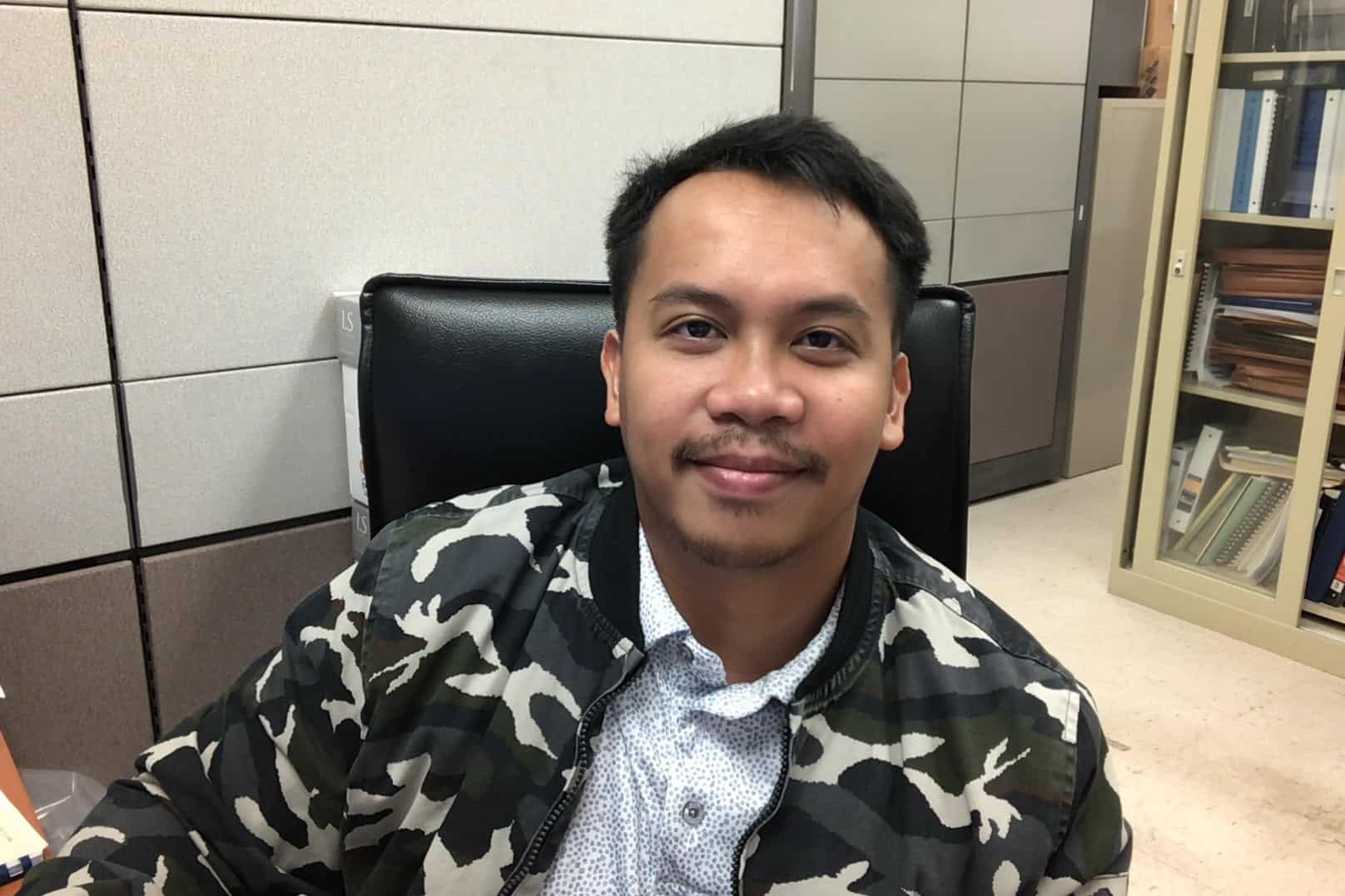 Christian Paul Benitez, Land & Natural Resource Planning
Chris is a Planner for the Bureau of Statistics and Plans (BSP) Guam Coastal Management Program (GCMP). He began his work at BSP in 2014 as a planner under the Socio-Economic Planning Program, where he assisted in the administration of the various federal grant funded programs in which the BSP serves as the State Administering Agency. His work has contributed to the successful planning and coordination of several federal funded projects for Guam, from US Department of Justice grant projects for the Residential Substance Abuse Treatment (RSAT) Program and the Paul Coverdell Forensic Science Improvement Program, to Public Outreach and Education projects through NOAA and DOI coral reef conservation programs. Christian joined GCMP in 2021, where his work has focused on carrying out the planning process to establish terrestrial conservation districts such as the Guam Forest System Plan, conducting evaluation and analysis of the impact of projects, legislation, policies, rules and regulations in various land use settings as it relates to Guam’s land use policies, and providing technical support for network planning initiatives in order to harmonize all comprehensive planning efforts for Guam.
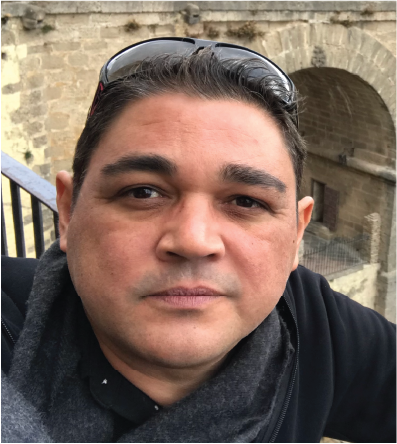 Steven Dierking, PC III, Outreach & Engagement
Steven joined the Bureau of Statistics and Plans (BSP), Guam Coastal Management Program (GCMP) in February 2020. Before joining GCMP, he served in various roles in the private sector as a small business owner, digital technology contractor, and in government roles in IT, public policy, and outreach. Steven holds a B.S. in Marketing from Colorado State University (with honors). He is the outreach coordinator in charge of GCMP’s many outreach projects and publications, including the Man, Land, & Sea quarterly publication, industry publications, and numerous advertisements. As the lead coordinator of the annual Guam International Coastal Cleanup, celebrating its 31st year on Guam, Steven oversees planning, marketing, and logistical support for over 25 site leaders and over 4,000 volunteers annually. He also supports the program’s goals and objectives through the planning and coordination of various leadership forums, conducting training, supporting community coastal cleanup events, planning and support for the annual Assembly of Planners’ Symposium, developing social media campaigns, creating and producing PSAs, creating digital media campaigns, and organizing various GCMP signature outreach events. Steve is also a FAA-certified sUAS pilot, one of two BSP Drone pilots who completed the FAA Part 107 Drone Training Program and exam to assist in emergency response efforts and conduct field inspections, and aerial surveys for the agency.
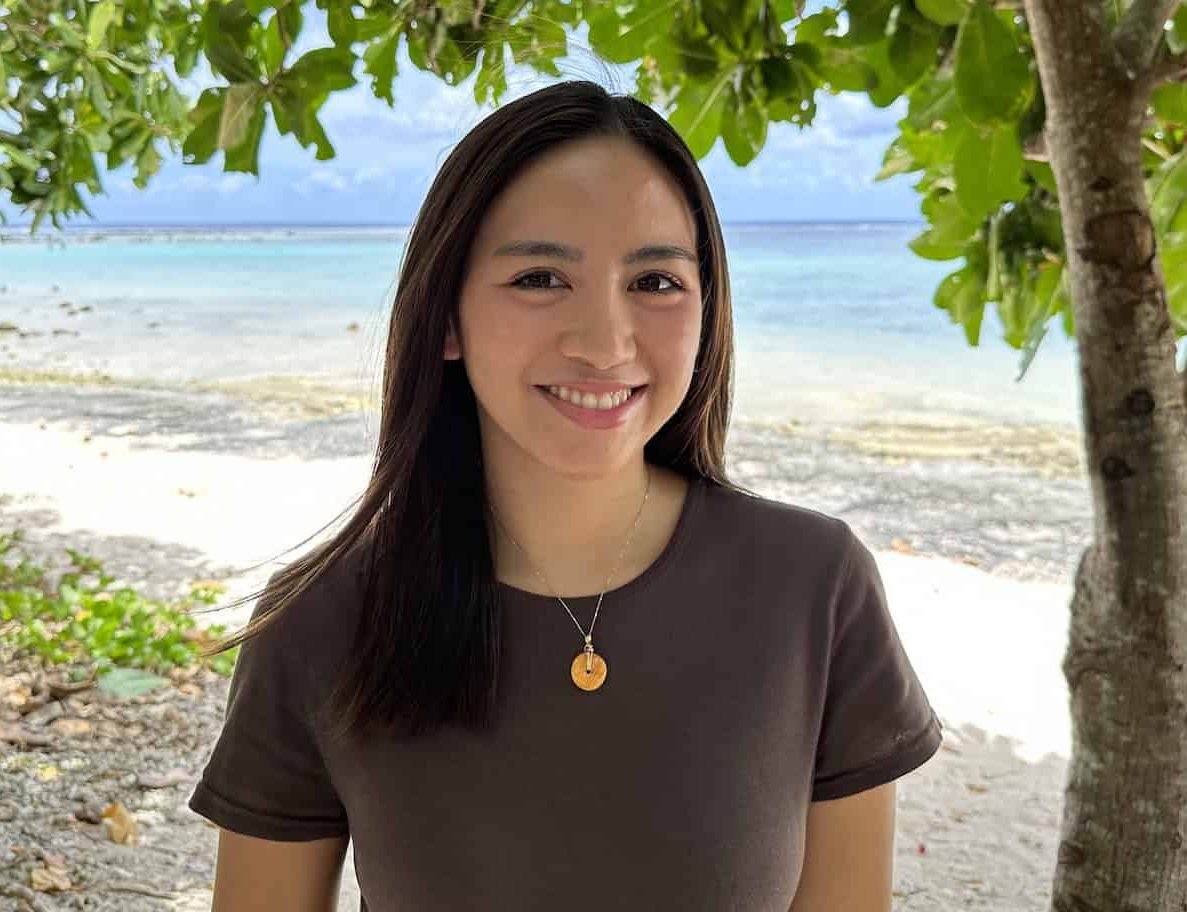 Camille Quichocho, Biologist
Camille is passionate para i tasi. She grew up in and around the ocean. As any islander knows inherently, Camille has a healthy fear and respect of the blue expanse that surrounds our shores. She strives to protect the ocean and safeguard its plants and animals, especially those who call the coral reef home. After learning to swim at 16, the ocean has become Camille’s laboratory. Camille joined the Bureau of Statistics and Plans, Guam Coastal Management Program in January 2024, where she serves as the Lead Biologist for the Marine Conservation District. Her background is in agriculture and natural resource science, and her work experiences range from marine ecology to natural resource management. Camille manages the Guam Seashore Reserve Plan and Recreational Water-Use Management Plan (RWUMP), and contributes to the Guam Aquaculture Task Force, Mariana Islands Area Contingency Plan Committee, Application Review Committee/Territorial Seashore Protection Committee, and USACE Regulatory.
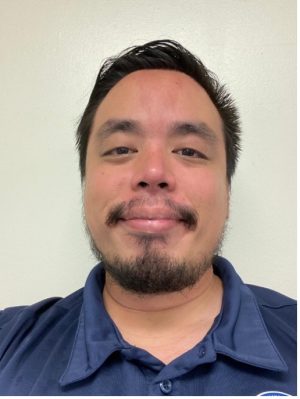 James Pangelinan, Planner III, Section 309 & Coastal Water Resources
Jamesis a planner with the Bureau of Statistics and Plans – Guam Coastal Management Program (GCMP). His primary focus is on leading the Coastal Zone Enhancement Program (CZEP), a comprehensive five-year initiative that allows GCMP to evaluate and improve its strategies across nine national enhancement areas: coastal hazards, wetlands, public access, special area management planning, energy and government facility siting, aquaculture, marine debris, ocean and Great Lakes resources, and cumulative and secondary impacts. In addition to his work on CZEP, James actively contributes to the Guam Silver Jackets, a collaborative interagency team comprising local and federal partners. The group works to identify, coordinate, and implement solutions to reduce coastal hazard risks and build resilience across Guam’s coastal communities.
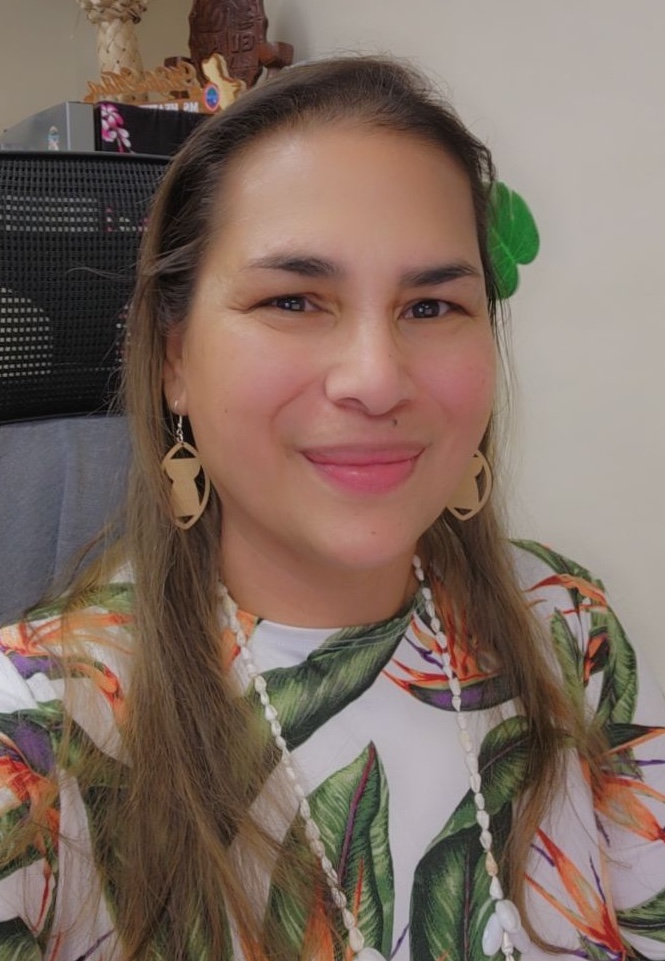 Heather Perez, Administrative Officer
Heather serves as the Administrative Officer for the Guam Coastal Management Program since 2023. Prior to joining GCMP, she started at BSP in 2010 as a Data Control Clerk II under the BESP, where she assisted with producing the CPI Quarterly Reports. In 2022. Heather was promoted to Administrative Assistant in the BSP Administration office. Outside of work, she enjoys spending time with her children and family, and she especially loves baking with the help of her youngest butterfly.