Overview
Public Access
Public Access Map
section 309 assessment & strategy report
Overview
Section 309 Overview
#
Public Access
#
Public Access Map
section 309 assessment & strategy report
Section 309 Overview
The National Coastal Zone Management Program (NCZMP), which was established under the Coastal Zone Management Act (CZMA), establishes a voluntary partnership between the federal government and U.S. coastal and Great Lakes states and territories to protect, restore, and responsibly develop coastal communities and resources. Administered by National Oceanic and Atmospheric Administration (NOAA), the NCZMP provides funding and technical assistance to support state efforts in managing coastal areas through planning, conservation, and sustainable development, with the intent of the program being to encourage states and territories to improve their Coastal Zone Management Programs in key enhancement areas of national interest. The Coastal Zone Enhancement Program (CZEP) which was created through Section 309 of the Coastal Zone Management Act, as amended in 1990 and 1996, established a voluntary coastal zone enhancement grants program, and provides funding and technical support to assist coastal management programs develop and implement strategies that strengthen resource protection and address emerging coastal challenges. The CZEP provides a voluntary 5-year cycle process for a federally approved coastal management program to review, assess and realize opportunities addressing one of, or more, nine enhancement areas that are deemed a high-priority for the coastal management program. The following enhancement areas that are assessed include wetlands, coastal hazards, public access, marine debris, cumulative and secondary impacts, special area management  plans, ocean and great lake resources, energy and government facility siting, and aquaculture, all of which have their own respective objectives as follows:
• Wetlands: Protection, restoration, creation, or enhancement of the existing coastal wetlands;
• Special Area Management Plan: Preparing special area management plans for important coastal areas;
• Energy and Government Facility Siting: Developing policies to facilitate the siting of government and energy-related facilities and activities;
• Cumulative and Secondary Impacts: Assessing the cumulative and secondary impacts of coastal growth and development;
• Coastal Hazards: Prevent or significantly reduce threats to life and property by eliminating development and redevelopment in high-hazard areas, managing development in other hazard areas;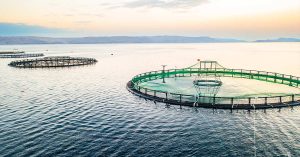 • Marine Debris: Reducing marine debris entering the nation’s coastal and ocean environment by managing uses and activities that contribute to the entry of such debris;
• Aquaculture: Adoption of procedures and policies to evaluate and facilitate the siting of public and private aquaculture facilities in the coastal zone;
• Ocean and Great Lake Resources: Planning for the use of ocean and great lake resources; and
• Public Access: Providing opportunities for public access to coastal areas of recreational, historical, aesthetic, ecological, or cultural value.
Testimonial Sample Here. Testimonial Sample Here. Testimonial Sample Here. Testimonial Sample Here. Testimonial Sample Here. Testimonial Sample Here. Testimonial Sample Here. Testimonial Sample Here. Testimonial Sample Here.

Testimonial Sample Here. Testimonial Sample Here. Testimonial Sample Here. Testimonial Sample Here. Testimonial Sample Here. Testimonial Sample Here. Testimonial Sample Here. Testimonial Sample Here. Testimonial Sample Here.

Testimonial Sample Here. Testimonial Sample Here. Testimonial Sample Here. Testimonial Sample Here. Testimonial Sample Here. Testimonial Sample Here. Testimonial Sample Here. Testimonial Sample Here. Testimonial Sample Here.


James Pangelinan
Planner, GUam Coastal Management Program